Belsize Village shop and cafe rubbish removal guide
Posted on 27/08/2026

Belsize Village Shop and Cafe Rubbish Removal Guide
If you run a shop, cafe, deli, salon, or small hospitality venue in Belsize Village, rubbish builds up in a way that feels strangely relentless. One crate of packaging here, a burst bin bag there, a few broken fittings at the back, and suddenly the storage cupboard is doing the job of a skip. This Belsize Village shop and cafe rubbish removal guide is here to make that whole process simpler, tidier, and far less stressful.
Whether you are clearing everyday commercial waste, dealing with a one-off refit, or trying to stay on top of recycling without upsetting staff or neighbours, the right removal plan makes a real difference. Let's face it, a cluttered rear yard or overstuffed bin area is not just untidy. It can create bad smells, trip hazards, pest issues, and avoidable friction with customers and nearby businesses. Below, you'll find a practical, local-minded guide to how shop and cafe rubbish removal usually works, what to watch out for, and how to keep things moving smoothly.
For broader service context, it can also help to look at the full range of clearance services available, especially if your business waste sits alongside office items, packaging, or occasional bulky loads.
Why Belsize Village shop and cafe rubbish removal guide Matters
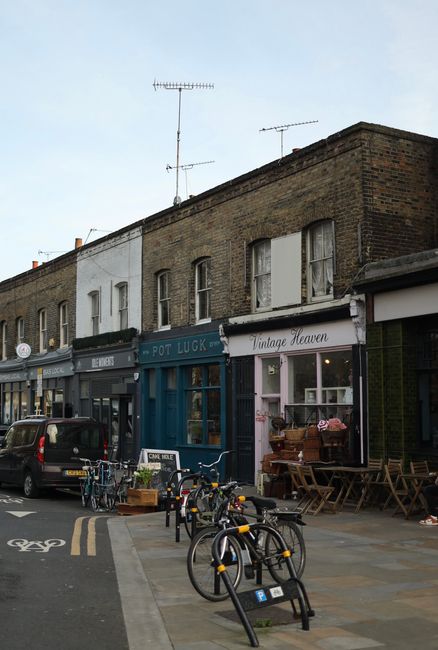
Belsize Village is the kind of place where presentation matters. People notice the chalkboard, the window display, the pavement outside, and yes, the bin area too. A cafe that keeps its waste under control feels calm and cared for. A shop with neatly managed packaging and back-of-house clearance looks organised. That is not superficial; it affects how customers experience the business before they even step through the door.
For shops and cafes, rubbish often arrives in layers. Deliveries bring cardboard and shrink wrap. Front-of-house service creates food waste, broken glass, napkins, cups, and packaging. Stockrooms fill with broken shelving, old signage, worn displays, and occasional obsolete appliances. Then there is the awkward stuff no one likes dealing with: dead stock, damaged stock, or a pile of stuff that has been "temporarily" parked in the back for three months.
In a compact neighbourhood like Belsize Village, that clutter can become a practical problem quickly. Limited space means less room for sorting. Narrow access means collections need planning. Shared pavements mean you have to think about timing and safety. And if you are near residential entrances or other businesses, noise and mess matter more than people sometimes admit. Small detail, big difference.
There is also a sustainability angle. Better waste segregation can reduce what goes to general waste and make recycling easier. If you want a wider local perspective on responsible disposal, this recycling and sustainability resource is a useful companion read.
How Belsize Village shop and cafe rubbish removal guide Works
Commercial rubbish removal is usually more flexible than a standard bin collection, which is one reason businesses rely on it. In practice, the process is straightforward: you identify the waste, arrange a collection, make access clear, and the items are removed for sorting, recycling, or disposal. But the quality of the result depends on good preparation.
Most small business clearances follow a pattern like this:
- Assessment - You identify what needs removing: bagged waste, cardboard, old fixtures, small appliances, loose rubbish, or mixed loads.
- Quote or estimate - The volume, type of waste, accessibility, and urgency help determine the cost and crew size.
- Scheduling - Collections are timed around your trading hours, delivery windows, or quiet periods.
- Removal - Items are lifted, sorted where possible, and taken away in a suitable vehicle.
- Processing - Reusable and recyclable materials are separated from residual waste whenever practical.
What surprises many owners is how much time gets saved when the waste is pre-sorted. A few labelled piles can shave a lot off the disruption. It also helps the team work faster, which is especially useful if you are trying to keep the shop open or the cafe running during service.
If your business shares characteristics with an office environment, you may also find office clearance in Belsize Park relevant, particularly for desks, filing, chairs, and packaging from a back-office refresh.
Key Benefits and Practical Advantages
The obvious benefit is removing waste. Fair enough. But the real value goes wider than that.
- Cleaner customer experience - A tidy frontage and back area feels professional and reassuring.
- Better use of storage - Back rooms are precious in small premises. Reclaiming even a few square metres helps.
- Reduced health and safety risks - Less clutter means fewer slips, trips, and blocked exits.
- Improved recycling - Separating cardboard, metal, wood, and general waste can reduce landfill-bound loads.
- Less staff stress - No one wants to spend a Thursday morning wrestling broken boxes because the rubbish has stacked up again.
- More predictable operations - Regular or on-demand collections are easier to plan than ad hoc bin overflow.
There is a less obvious benefit too: confidence. When you know there is a clear plan for waste, you stop making awkward decisions like "leave it behind the till until Monday." That sounds minor until the pile starts affecting customer movement or food prep hygiene. Then it becomes very not minor.
Practical takeaway: For small Belsize Village businesses, rubbish removal works best when it is treated as part of operations, not as an afterthought. A simple routine beats a heroic clear-up every few weeks.
Who This Is For and When It Makes Sense
This guide is aimed at a few types of business in particular. If any of these sound familiar, you are in the right place.
- Cafes and coffee shops with food waste, packaging, broken tableware, or occasional kitchen replacements.
- Retail shops dealing with cardboard, hangers, damaged stock, display units, and packaging from deliveries.
- Takeaways and deli counters where service waste can build quickly during peak times.
- Beauty and wellness premises replacing furniture, shelving, mirrors, or treatment-room items.
- Mixed-use premises where the shopfront and storage room create different waste streams.
- New or refitting businesses that need a tidy-out before opening or after works.
It also makes sense when the rubbish is too much for normal bins but not quite a full-scale building project. That middle ground is common in Belsize Village. A new display fit-out, a stock reset, or a seasonal refresh can create more waste than you expect, but not enough to justify major disruption. That is where organised removal becomes useful.
If your clearance is linked to a renovation, the overlap with builders waste disposal in Belsize Park may be worth considering. The categories can blur more than people think: plasterboard offcuts, wood, packaging, old counters, and site debris often end up mixed together.
Step-by-Step Guidance
Here is the practical version. No fluff, just a workable routine.
1. Walk the premises like a customer and like a manager
Start by looking at the front of house, the back room, the stock area, the bin store, and any shared access space. Ask yourself: what looks untidy, what is taking up space, and what is likely to become a problem in the next week? A short walk-through catches more than a desk-based list ever will.
2. Separate waste into simple groups
At minimum, split out cardboard, plastics, food waste, general rubbish, and bulky items. If you have old fixtures, damaged shelving, broken chairs, or small electrical items, keep those separate too. The cleaner the sorting, the smoother the collection.
3. Remove anything that should stay on-site
This sounds obvious, but it happens. People accidentally include stock, reusable containers, menus, display items, or paperwork. Once it is gone, it is gone. A quick double-check saves headaches later.
4. Plan access and timing
Think about opening hours, customer footfall, delivery slots, and whether a vehicle can stop safely nearby. In a busy local stretch, timing matters. Early morning or a quieter mid-afternoon slot often works better than a mid-service collection. Truth be told, this is where many smooth jobs succeed or fail.
5. Prepare the waste for loading
Bag loose rubbish securely, flatten cardboard, and stack items safely where the crew can reach them. If you have fragile waste like broken glass, make sure it is contained properly. Nobody wants a dramatic bin bag situation. Really, nobody.
6. Confirm what happens after collection
Ask how mixed waste is handled, what gets separated for recycling, and whether any items need special care. Good providers should be able to explain the process plainly. If the answer is vague, that is worth noting.
7. Review the result and reset your routine
Once the area is cleared, take five minutes to reset the layout. Put bins where staff can use them easily. Label recycling points. Decide where cardboard will be stored before pickup. Little systems like this make the next collection easier, which is the real goal.
Expert Tips for Better Results
After enough clearances, you start to see the same patterns. A few practical tips save time and money, and they prevent those slightly chaotic end-of-day clean-ups that everyone pretends are "fine."
- Schedule before peak waste days - If your busiest days are Friday and Saturday, don't let waste pile up until Sunday. Beat the rush.
- Use stackable storage for recyclables - Cardboard and packaging become much easier to manage when kept compressed and tidy.
- Keep a small "not for collection" zone - This helps avoid accidental disposal of reusable stock or equipment.
- Photograph bulky waste before removal - Useful for internal records, handovers, and future planning.
- Set one person in charge - Too many people "kind of" managing waste leads to confusion. One clear owner works better.
- Think in routines, not emergencies - A fortnightly or monthly clear-out can be far more efficient than waiting for a crisis.
One slightly old-fashioned but effective tip: keep a paper note in the stockroom saying what goes out on collection day. It sounds almost quaint. It also prevents last-minute confusion when everyone is busy and no one remembers what was agreed.
If you want to understand the business behind pricing and service structure, pricing and quote guidance is useful before you commit to a collection plan.
Common Mistakes to Avoid
Most problems in shop and cafe rubbish removal are avoidable. That is the annoying part, honestly. They usually happen because people are rushing.
- Mixing food waste with recyclables - This can contaminate a whole load and reduce recycling value.
- Leaving collections too late - A few extra days can be the difference between neat storage and a minor fire-escape concern.
- Forgetting access constraints - If a vehicle cannot stop safely or a loading point is blocked, the job slows down.
- Not checking for hidden bulky items - Broken fridges, shelving, or display units often get discovered at the last moment.
- Assuming all waste is identical - It isn't. Food, wood, metal, electricals, and mixed commercial rubbish may need different handling.
- Skipping safety prep - Sharp edges, wet floors, and broken glass should never be left loose.
A common real-world example: a cafe clears out old garden seating and a few broken parasols, but leaves the heavy bases until "later." Later arrives. The team then has to move them through lunch service when the pavement is packed and everyone is slightly in everyone else's way. Not ideal. Not even close.
Tools, Resources and Recommendations
You do not need a shed full of equipment, but a few practical tools make a noticeable difference.
- Heavy-duty sacks for general waste and lightweight packaging
- Cardboard cutters or box knives for flattening delivery packaging safely
- Labels or marker pens for sorting waste streams
- Trolleys or dollies for moving bulkier items internally
- Gloves and basic PPE for staff handling sharp or dirty waste
- Covered bins or lidded storage to keep smells and pests under control
From a planning point of view, a simple waste log can be surprisingly useful. It does not need to be elaborate. Just record what type of waste tends to build up, when it happens, and what volume you typically generate. That makes future removals easier to forecast.
If your business also manages refurb work, it may help to review house clearance services as a useful comparison for how mixed, bulky loads are organised and removed. The principles are similar even though the setting is different.
Law, Compliance, Standards, or Best Practice
For business waste in the UK, the main thing is to handle it responsibly and use an authorised route for disposal. You do not need to become a legal scholar, but you do need a sensible system. In practice, that means knowing what you are producing, keeping waste secure, and making sure it is passed on properly.
It is wise to be careful with food waste, any items containing sharp components, and electricals. Some waste types may need special handling, and businesses should avoid leaving potentially hazardous material mixed into general rubbish. If you are unsure, ask before the collection rather than after. That one step saves a lot of friction.
Best practice also means keeping disposal records where appropriate, making sure staff know where waste goes, and reducing contamination between recyclables and general rubbish. For cafes and shops, good housekeeping is not just about tidiness. It is part of day-to-day duty of care.
There is also a neighbourly side to compliance. In a village-style setting like Belsize Village, considerate timing, quiet handling, and clean loading practices matter more than people sometimes expect. Even a perfectly legal clearance can be bad practice if it blocks access or leaves mess behind. The human bit counts.
Options, Methods, or Comparison Table
There are several ways to deal with shop and cafe waste. The right choice depends on volume, urgency, access, and how mixed the load is. Here's a simple comparison.
| Method | Best for | Advantages | Drawbacks |
|---|---|---|---|
| Regular bin collections | Small, predictable daily waste | Simple and familiar | Limited capacity, less flexible for bulky or one-off waste |
| In-house staff sorting and storage | Businesses with space and routine | Good control over recycling streams | Takes time and needs discipline |
| Ad hoc professional removal | Bulky, mixed, or urgent clearances | Fast, scalable, less disruption | Can cost more than standard bin handling |
| Scheduled commercial clearance | Ongoing waste management needs | Predictable, easy to plan around trading hours | Requires regular coordination |
For many small Belsize Village businesses, the best answer is a blend: regular waste routines for everyday rubbish, plus occasional professional clearance for bulky items or seasonal spikes. That tends to work better than trying to force one system to do everything.

Case Study or Real-World Example
Picture a small cafe near the heart of Belsize Village after a seasonal refresh. New chairs have arrived, a worn display unit is being replaced, and the back room has filled with cardboard from delivery boxes, broken packaging, and a few old items that were "temporarily" stored because there was nowhere else to put them.
The owner does a quick morning audit. They separate cardboard, stack the old display shelf, bag general waste, and move anything sensitive out of the way. They then schedule a removal before the lunch rush, when footfall is lower and the pavement is less crowded. The crew arrives, clears the load, and the back room becomes usable again the same day. Staff can move properly. Stock can be stored properly. And the space suddenly feels breathable.
What made the difference? Not luck. Preparation.
The owner did not wait until the room was unusable. They kept the waste categories clear. They made access easy. They treated the job as part of running the business, not a random inconvenience. That is the pattern I see again and again: the smoothest removals are the ones that are planned just enough.
If you are comparing wider clearance options around the area, you may also find general rubbish clearance in Belsize Park helpful for understanding how mixed loads are handled in a practical setting.
Practical Checklist
Use this quick checklist before your next collection. It keeps things simple.
- Identify all waste types - general rubbish, cardboard, food waste, bulky items, and any special items.
- Remove reusable stock first - avoid accidental disposal.
- Flatten and bag waste where possible - safer and easier to handle.
- Clear access routes - doors, corridors, rear yards, and loading points.
- Check timing around trading hours - especially lunch and evening peaks.
- Separate recyclables from general waste - reduces contamination.
- Keep sharp or broken items contained - glasses, metal edges, damaged fittings.
- Confirm who is responsible on the day - one point of contact is enough.
- Review what was removed - useful for future planning and budgeting.
- Set the next collection date - because rubbish has a way of returning, rather like unpaid admin.
Get a free quote today and see how much you can save.
Conclusion
A well-run Belsize Village shop and cafe rubbish removal guide is really about keeping your business calm, safe, and presentable with the least possible fuss. Once you have a repeatable system, waste stops being a daily annoyance and becomes just another part of the routine. Not glamorous, no. Very useful, yes.
The main thing is to stay ahead of the mess rather than react to it. Sort waste early, plan access properly, and choose a removal approach that fits your premises rather than fighting against it. That's usually where the best results come from. Quietly, consistently, without drama.
If you want a business that feels easier to run, start with the back-of-house clutter. A clearer space often leads to a clearer day, and that is no small thing.

From a young age, Blair has cultivated a passion for order, which has now matured into a prosperous profession as a waste removal specialist. She derives satisfaction from transforming disorderly spaces into practical ones, aiding clients in conquering the burden of clutter.
 Tipper Van - Rubbish Removal and Waste Disposal Prices in Belsize Park, NW3
 Luton Van - Rubbish Removal and Waste Disposal Prices in Belsize Park, NW3