Haverstock Hill garden rubbish disposal guide for houses
Posted on 10/08/2026

If your garden has got ahead of you a bit, you are not alone. One windy weekend, a stack of hedge cuttings, old plant pots, and a broken trellis can quietly turn into a proper nuisance. This Haverstock Hill garden rubbish disposal guide for houses is here to make the job feel simpler, safer, and much less of a chore. Whether you are clearing after a big prune, tidying before guests arrive, or dealing with a full seasonal reset, the right approach saves time, avoids mess, and keeps disposal legal and responsible.
In this guide, you will find a practical way to sort garden waste, decide what can be reused or recycled, and understand when a professional collection makes more sense. We will also look at common mistakes, local considerations for householders in NW3, and the best habits for a tidy garden that does not become a weekend trap. Truth be told, garden rubbish has a habit of multiplying when you are not looking.
Why Haverstock Hill garden rubbish disposal guide for houses Matters
Garden waste is not just "green stuff". In a house setting, it usually includes a mixed pile of hedge clippings, branches, soil, weeds, turf, pots, old compost bags, broken canes, and sometimes awkward extras like snapped furniture or failed planters. Left for too long, it starts taking over paths, sheds, and bin stores. It can also attract pests, become slippery in wet weather, and create a fire risk if dry material is stacked badly.
For Haverstock Hill houses, disposal matters for a few reasons. First, space is often limited, especially if your front garden, side return, or rear access is tight. Second, a domestic clear-out can become messy very quickly if you do not separate material as you go. And third, not every item from the garden is actually garden waste. A rusty barbecue, old timber, or cracked fence panel may need a different disposal route from loose cuttings.
The practical side is just as important. Good garden rubbish disposal keeps your home looking cared for, protects surfaces from mud and staining, and helps you avoid repeated trips to the tip. If you prefer a simpler route for mixed waste, services such as garden waste removal in Belsize Park can be a useful option when the pile is more than one car boot can handle. It is not always about doing the biggest possible clean-up yourself. Sometimes the smartest move is the tidy one.
How Haverstock Hill garden rubbish disposal guide for houses Works
The process is straightforward once you break it down. Start by identifying what kind of garden waste you actually have, then separate it into sensible groups. The most common categories are:
- Green waste: grass, leaves, hedge trimmings, weeds, soft prunings, flowers
- Woody waste: branches, twigs, small logs, thicker prunings
- Inert material: soil, turf, stones, broken slabs, rubble
- Mixed garden junk: plastic pots, canes, broken tools, old bags, damaged furniture
Once sorted, you can decide what to compost, what to bag for collection, and what needs separate handling. If you are working by hand, the usual sequence is simple enough: clear the surface, rake or sweep up loose material, cut larger pieces down to size, and load everything into sturdy bags or containers. If the pile includes bulky or heavy items, the job can become slow and a bit fiddly, especially in a narrow side passage or shared driveway.
Professional clearance tends to work in a more direct way. A team arrives, assesses the waste, loads it safely, and takes it away in one go. That is often a relief when you are dealing with wet branches, thorny trimmings, or a garden that has become more of a jungle than a sitting area. If you want a broader overview of related services, the services overview is a sensible place to understand what can usually be handled together.
Key Benefits and Practical Advantages
The biggest benefit is simple: you get your space back. A clear garden feels calmer almost instantly. You see the borders again, the paving again, the bits you actually like. That matters more than people admit.
Other benefits include:
- Better safety - fewer trip hazards, fewer sharp sticks, fewer slippery patches underfoot
- Cleaner presentation - useful if you are preparing for visitors, property photos, or a sale
- More usable space - patios, paths, sheds, and seating areas become practical again
- Less strain - no endless lifting, dragging, and multiple bin runs
- Improved recycling potential - well-sorted green waste is easier to recover responsibly
There is also a quieter benefit: you avoid that nagging feeling that the garden is "another job". Once the waste is gone, maintenance gets easier. Mowing is simpler, pruning is cleaner, and you are less likely to put off small repairs because of the clutter around them.
For households that care about reducing landfill where possible, it also helps to think in terms of material type. Green waste can often be handled differently from contamination-heavy mixed rubbish. The page on recycling and sustainability is a useful companion if you want to keep your clear-out more environmentally considered.
Who This Is For and When It Makes Sense
This guide is aimed at house owners and tenants who have a real pile to deal with, not just a handful of leaves. It is especially useful if you have:
- recently pruned hedges or shrubs
- completed a garden makeover
- cleared an overgrown rear garden
- removed dead plants, turf, or roots
- replaced planters, sleepers, or edging
- mixed garden waste with a bit of household rubbish
It also makes sense if your house has access challenges. Haverstock Hill properties can vary quite a bit, and some gardens are tucked behind narrow passages or steep steps. If the route to the collection point is awkward, the disposal job becomes less about gardening and more about logistics. Slightly annoying, yes. But manageable.
Households often look for professional help when the waste volume is too large for regular council-style bins, when the material is too bulky to cut down quickly, or when they simply do not want bags cluttering the property for days. If the work is connected to wider home changes, a broader house clearance service may be worth considering alongside garden waste removal.
If your project is part of a renovation or a boundary-wall job, you may also want to keep an eye on heavier debris. That is where builders waste disposal in Belsize Park can become relevant too. Gardens and building works have a habit of overlapping, don't they?
Step-by-Step Guidance
Here is a practical householder method that works well without becoming overcomplicated.
- Survey the waste
Walk the garden slowly and identify every pile. Look for hidden items under shrubs or behind sheds. You may find more than you expected, especially after a windy week. - Separate by material
Keep green waste, woody waste, soil, and mixed rubbish apart. This makes loading easier and helps you make better disposal choices. - Remove hazardous or awkward items first
Pull out broken glass, rusted metal, nails, old chemicals, and anything sharp. Do not leave nasty surprises for later. - Cut bulky waste down
Use secateurs, loppers, or a saw to reduce branch size. Smaller bundles are easier to carry, stack, and load. - Bag or bind materials securely
Use strong bags for loose waste and tie branches into manageable bundles. Keep bags light enough to lift without groaning your back in protest. - Check what can be reused
Sound plant pots, usable timber, and decent garden accessories may be kept, cleaned, or repurposed. - Choose your disposal route
Decide whether the waste fits in home collections, needs a skip, or is better handled by a professional clearance team. - Do a final sweep
Clear stray leaves, soil smudges, and twigs from paths, steps, and gates. The last five minutes make the biggest visual difference.
If you are dealing with a mixed load rather than pure greenery, plan the sorting stage carefully. Mixed piles are where people lose time. One broken planter somehow becomes a fence panel, two old bags, a plant stand, and half a bucket of wet compost. It happens.
Expert Tips for Better Results
A few small habits make a real difference.
Work from dry to wet. If possible, clear the dry material first. Wet grass and soggy leaves get heavier, cling to surfaces, and make bags split more easily. A damp morning can turn a light-looking pile into a fairly miserable lifting job by lunchtime.
Use the right containers. Thin sacks are not worth the trouble. Go for sturdy bags or containers that will not tear halfway down the path. If you are bundling branches, keep each bundle short enough to carry without snagging on railings or doors.
Keep routes clear. Before you start moving anything, check the route from garden to street or storage area. Open gates fully, sweep away loose gravel, and remove anything that might trip you up.
Don't mix sharp and soft material. Nails in timber, broken ceramics, and spiky cuttings can tear bags and injure hands. A little separation now saves bother later.
Think about timing. If you are doing the job yourself, earlier in the day is usually better. There is more energy, more light, and fewer distractions. By late afternoon, the job often feels twice as big.
And one slightly nerdy but useful point: if you can reduce volume before collection, you often reduce the cost and the number of trips required. That is not magic, just sensible packing.
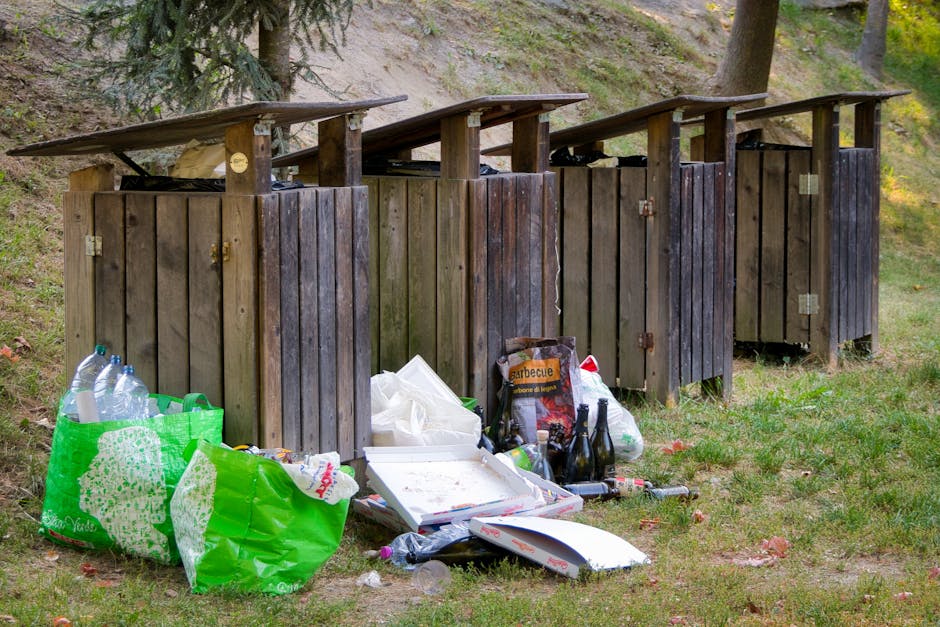
Common Mistakes to Avoid
Most garden disposal problems come from a handful of predictable mistakes.
- Leaving waste to pile up - one weekend becomes three, and the heap gets wet, compacted, and awkward
- Assuming everything is green waste - it rarely is
- Overfilling bags - too heavy to lift, too easy to split
- Ignoring soil and rubble - these materials are heavy and may need separate handling
- Mixing household rubbish with garden waste - this can reduce recycling potential
- Forgetting access constraints - narrow side returns and steps can turn a simple job into a long one
- Not checking what you are allowed to dispose of together - some items need separate disposal for safety or compliance reasons
Another quiet mistake is underestimating how long a proper tidy-up takes. People think, "It is just a bit of pruning," and then two hours later they are knee-deep in offcuts with a rake in one hand and nowhere to put the third bag. We have all been there, more or less.
Tools, Resources and Recommendations
You do not need a van full of equipment, but a small kit helps.
- Secateurs and loppers for pruning and reducing branch size
- Gloves to protect against thorns, splinters, and hidden debris
- Heavy-duty bags or sacks for loose material
- Rake and broom for leaves, grass, and final sweeping
- Tarp or sheet to move light waste in one go
- Wheelbarrow or garden sack barrow for heavier loads
- Dustpan and hand brush for patios, steps, and sheds
If your garden clear-out is part of a bigger tidy-up, it can help to look at related services and decide whether a single collection is enough or whether you need a broader waste plan. The page on waste removal in Belsize Park is helpful when you are comparing general disposal options for a home project.
For people who want a service-led solution, the company's pricing and quotes information can help you think about scope, while the payment and security page gives reassurance on how that side is handled. It is nice to know the practical bits are covered, frankly.
Law, Compliance, Standards, or Best Practice
Garden rubbish disposal in the UK is not something to be casual about. You are expected to dispose of waste responsibly and to use legitimate carriers and facilities. In plain English: do not hand waste to someone who cannot explain where it is going. Fly-tipping causes real problems, and householders can end up carrying the headache if they use the wrong route.
Best practice for house gardens includes:
- keeping waste separated where possible
- avoiding contamination of green waste with soil, rubble, plastics, or household rubbish
- making sure waste is taken only by authorised or reputable collectors
- storing bags safely until collection, so they do not block access or become a nuisance
- using safe lifting practices for heavy or awkward items
If a provider gives you a clear process and is open about handling, that is a good sign. Safety matters too, especially when there are heavy bags, sharp branches, or tight access routes. The insurance and safety page is worth reading if you want to understand the kind of reassurance professional handling should provide.
For many householders, the safest approach is simply the one that avoids shortcuts. If a job feels too large to manage neatly, that is usually your cue to step back and choose a more controlled disposal method.
Options, Methods, or Comparison Table
Here is a practical comparison of common ways to deal with garden rubbish from a house in Haverstock Hill.
| Method | Best for | Pros | Limitations |
|---|---|---|---|
| Home composting | Leaves, grass, soft trimmings | Low cost, good for ongoing garden care | Not suitable for all waste, slow to process |
| Bagged council-style disposal | Smaller, regular amounts | Simple for light loads | Can be slow, limited by bag weight and volume |
| Skip hire | Big clear-outs, mixed heavy waste | Good capacity, convenient on larger projects | Needs space and usually works best for longer jobs |
| Professional garden waste collection | Mixed garden waste, bulky piles, awkward access | Fast, tidy, minimal lifting for you | May not suit tiny loads |
If you are choosing between methods, think about volume, access, and how mixed the waste is. A few bags of hedge cuttings might be fine on your own. A full garden reset after months of growth? That usually calls for a more efficient solution.
For households wanting a streamlined service that can be arranged around garden clearance, the rubbish removal needs page is useful when deciding what type of help fits the job.
Case Study or Real-World Example
Here is a realistic householder scenario. A homeowner on Haverstock Hill spends a Saturday cutting back an overgrown privet hedge, clearing a small border, and replacing a few cracked pots. At first glance, it looks like a couple of bags. By the end of the morning, there are hedge trimmings, twigs, old compost, broken terracotta, and two damaged planters sitting on the patio. Not a disaster, just more material than expected.
Instead of trying to force everything into one type of bag, the homeowner splits the waste into three groups: green cuttings, hard broken items, and reusable pieces. The reusable plant stands are kept. The green waste is gathered into lighter sacks. The broken pots and damaged materials are set aside for separate removal. The result is cleaner, faster, and much less stressful than trying to wrestle the whole lot into one giant pile.
That sort of approach works particularly well in house gardens where access is tight. It avoids repeated lifting, protects paving from muddy marks, and stops the collection area becoming cluttered. Small example, but it makes a big difference in practice.
Practical Checklist
Use this quick checklist before you start.
- Have you identified all garden waste types?
- Have you separated green waste from rubble, plastics, and household items?
- Do you have suitable gloves, bags, and cutting tools?
- Is the route from garden to collection point clear?
- Have you removed sharp or hazardous pieces first?
- Are the bags light enough to carry safely?
- Do you know whether the waste can be composted, reused, or needs disposal?
- Have you checked whether a professional collection would save time?
- Are heavy or bulky items being handled in a safe way?
- Have you done a final sweep for leaves, twigs, and loose soil?
If you can tick most of those off, you are in good shape. If not, pause and sort the job before it gets bigger. A little order now saves a lot of faff later.
Conclusion
A good Haverstock Hill garden rubbish disposal plan is really about three things: sorting properly, choosing the right disposal method, and keeping the job safe and manageable. Once you do that, even a heavy garden clear-out becomes much easier to live with. The garden looks better, the house feels neater, and the whole space starts working for you again.
If your waste is mixed, bulky, or awkward to move through a house garden, a professional collection can take the pressure off and help you finish the job properly. For many households, that is the turning point where the weekend stops being about dragging bags and starts being about enjoying the result.
Get a free quote today and see how much you can save.
And if you are standing there looking at a stack of branches thinking, "well, that escalated quickly," take heart. It is all manageable, one sensible step at a time.

From a young age, Blair has cultivated a passion for order, which has now matured into a prosperous profession as a waste removal specialist. She derives satisfaction from transforming disorderly spaces into practical ones, aiding clients in conquering the burden of clutter.
 Tipper Van - Rubbish Removal and Waste Disposal Prices in Belsize Park, NW3
 Luton Van - Rubbish Removal and Waste Disposal Prices in Belsize Park, NW3